
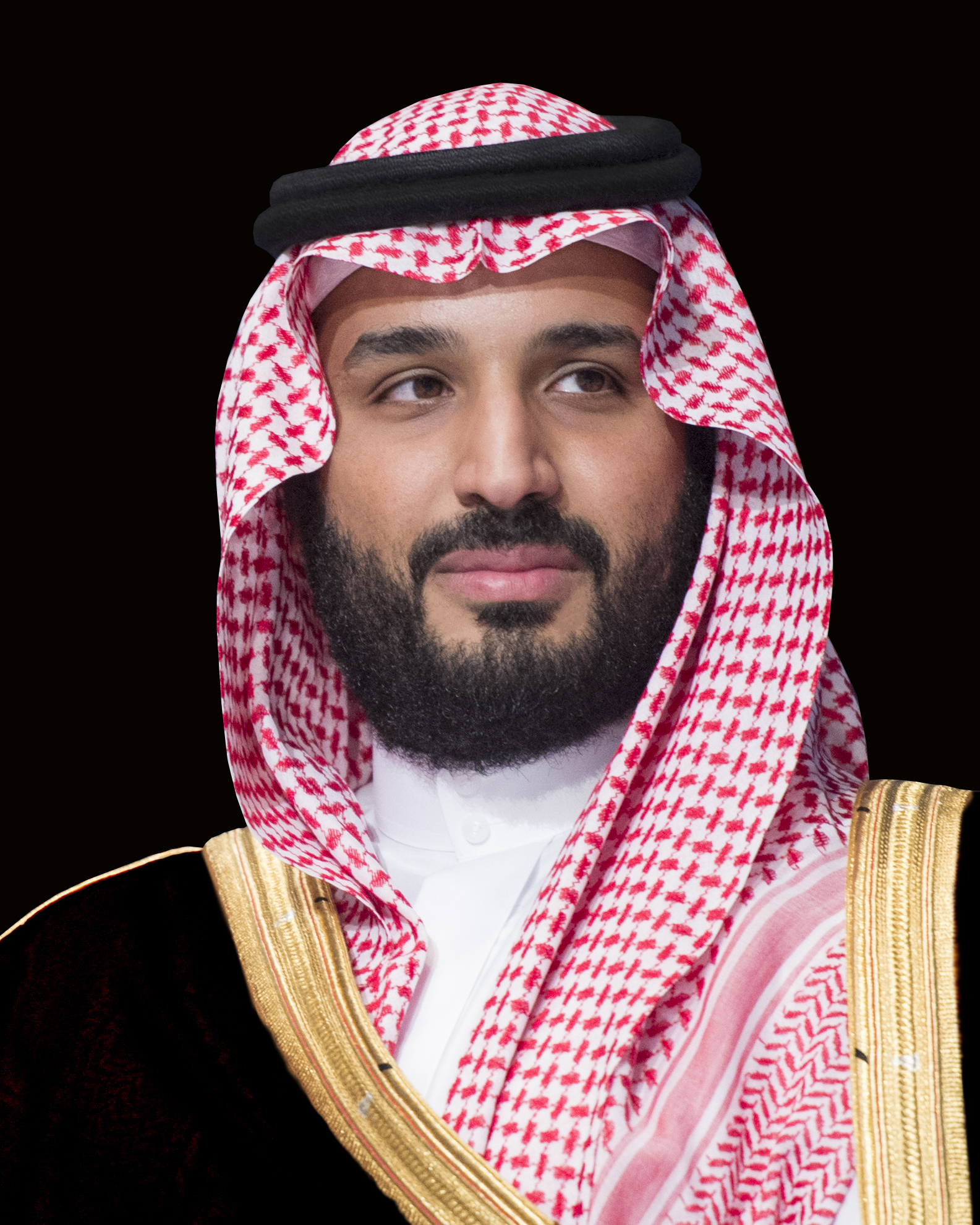
Mohammed bin Salman Al Saud (commonly known by his initials, MBS) is the Crown Prince and Prime Minister of Saudi Arabia and the country’s de facto ruler. He has played a central role in reshaping Saudi Arabia’s political structure, economy, and social life since the mid-2010s, while also becoming one of the most influential and controversial figures in Middle Eastern and global politics.
Mohammed bin Salman was born on August 31, 1985, in Riyadh, the eldest son of Salman bin Abdulaziz Al Saud and his third wife, Fahda bint Falah Al Hathleen. He was educated in Saudi Arabia and earned a bachelor’s degree in law from King Saud University in 2007. Unlike many senior members of the Saudi royal family, he did not study abroad. After graduation, he worked at the Bureau of Experts at the Saudi Council of Ministers and later became a close adviser to his father, who at the time served as governor of Riyadh Province.
His rise accelerated after King Abdullah’s death in January 2015, when Salman bin Abdulaziz ascended the throne. Shortly thereafter, Mohammed bin Salman was appointed Minister of Defense, making him the world’s youngest defense minister. In this role, he oversaw the Saudi-led military intervention in Yemen, launched in March 2015 against Iran-backed Houthi forces. The conflict, which evolved into a prolonged and devastating war, became a defining feature of his early tenure and a significant source of international criticism.
Alongside defense responsibilities, Mohammed bin Salman consolidated control over Saudi Arabia’s economic policymaking. In 2015, he became chairman of the Council of Economic and Development Affairs and head of the Public Investment Fund (PIF), the kingdom’s sovereign wealth fund. In April 2016, he unveiled Vision 2030, an ambitious reform program aimed at reducing Saudi Arabia’s dependence on oil, expanding the private sector, attracting foreign investment, and modernizing social and cultural life. Signature initiatives under Vision 2030 include large-scale development projects such as NEOM, Qiddiya, and the Red Sea Project.
In June 2017, King Salman removed his nephew, Mohammed bin Nayef, as crown prince and named Mohammed bin Salman as heir apparent. The move marked a significant generational shift within the Saudi monarchy and further centralized power in his hands. Later that year, he launched a high-profile anti-corruption campaign that led to the detention of dozens of princes, businessmen, and former officials, many of whom were released after reaching financial settlements with the state.
Domestically, Mohammed bin Salman has overseen notable social changes. Restrictions on women have eased, including lifting the ban on women driving in 2018, expanding women’s workforce participation, and curtailing the authority of the religious police. Cinemas reopened after decades of prohibition, and Saudi Arabia began hosting major cultural, entertainment, and sporting events. At the same time, human rights organizations and foreign governments have criticized his government for suppressing dissent, detaining activists, and limiting political freedoms.
Internationally, Mohammed bin Salman has pursued a more assertive and diversified foreign policy. While maintaining Saudi Arabia’s strategic partnership with the United States, he has also expanded ties with China and Russia and played a role in regional diplomacy, including the 2023 Chinese-brokered normalization agreement between Saudi Arabia and Iran. His global standing was significantly damaged by the 2018 killing of Saudi journalist Jamal Khashoggi in Istanbul, which U.S. intelligence agencies concluded was approved by the crown prince, an allegation he has consistently denied.
In September 2022, Mohammed bin Salman was appointed Prime Minister of Saudi Arabia, a post traditionally held by the king, formalizing his position as the kingdom’s chief executive. As crown prince and prime minister, he continues to dominate Saudi decision-making, shaping the country’s domestic transformation and its evolving role on the world stage.
Sources: “Mohammed bin Salman,” Britannica.
“Mohammed Bin Salman Bin Abdulaziz,” Saudipedia.
Karen Elliot House, “Profile of a Prince: Promise and Peril in Mohammed bin Salman’s Vision 2030,” Harvard Kennedy School, (April 2019).
“Saudi Crown Prince Mohammed bin Salman, power behind the throne,” BBC, (October 6, 2020).
Hamish Macdonald, Nick Baker, Greg Muller, Linda Lopresti, “How Saudi Arabia's Crown Prince Mohammed bin Salman rose to power — and why it matters,” ABC News, (February 8, 2023).
“Mohammed bin Salman Fast Facts,” CNN, (November 19, 2025).
Saudi Press Agency (SPA), CC BY-SA 4.0, via Wikimedia Commons.