|
AHASUERUS
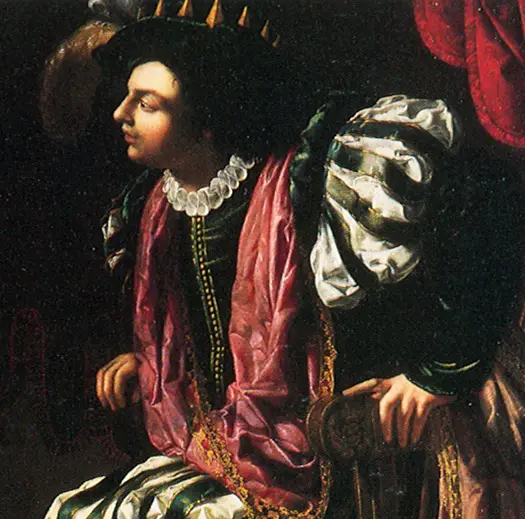
AHASUERUS (Heb. אֲחַשְׁוֵרוֹשׁ), king of Persia, who according to the Book of Esther ruled from India to Ethiopia (see Book of *Esther; *Artaxerxes). He is believed by 19th century commentators to be the same person as Xerxes I of Persia. The most famous appearance of Achashverosh was as a character in the Book of Esther, in which Achashverosh searches for a new queen and is nearly tricked by his wicked advisor Haman into allowing the Jewish people to be destroyed. This would later become the basis for the Jewish holiday known as Purim. Aschashverosh has also been mentioned in the books of Ezra, Daniel, and Tobit. In the AggadahAhasuerus generally is portrayed as vacillating, lacking in character, and easily swayed. But the positive aspects of his personality are also emphasized. He is depicted as one of the few kings in history who ruled over the entire earth (Meg. 11a; Targ. Sheni to Esth. 1:2). Before his death Nebuchadnezzar had placed all the treasures of the world he had looted in a ship, and sunk it in the Euphrates to prevent anyone finding them. God, however, had revealed their location to Cyrus when He gave orders that the Temple was to be rebuilt. Ahasuerus' great wealth derived from this treasure. But he neither succeeded in sitting on Solomon's throne nor in erecting a similar one (Midrash Abba Guryon). It was through Esther's influence that he appointed *Mordecai as his counselor, for she told Ahasuerus that whereas his predecessors, Nebuchadnezzar and Belshazzar, had consulted prophets, he invariably turned for advice to ordinary mortals. Ahasuerus is said to have desecrated the Temple vessels and priestly robes at the feast he made for all the provinces of his kingdom even though he knew what had happened to Belshazzar for such conduct (Meg. 11b). Other aggadot declare that his hatred of Israel exceeded Haman's but he feared he might suffer a fate similar to that of the other enemies of the Jews. BIBLIOGRAPHY:Guttmann, Mafte'aḥ; Ginzberg, Legends, index. [Joshua Gutmann] Source: Encyclopaedia
Judaica. © 2008 The Gale Group.
All Rights Reserved. |

|